With the sun rising at 6 a.m. and warm-enough mornings finally here (you can say that again; 30 degrees of difference in about three days), I’ve been taking some early-morning bike rides again. Get my sweat over with first, shower and face the day – it works for me.
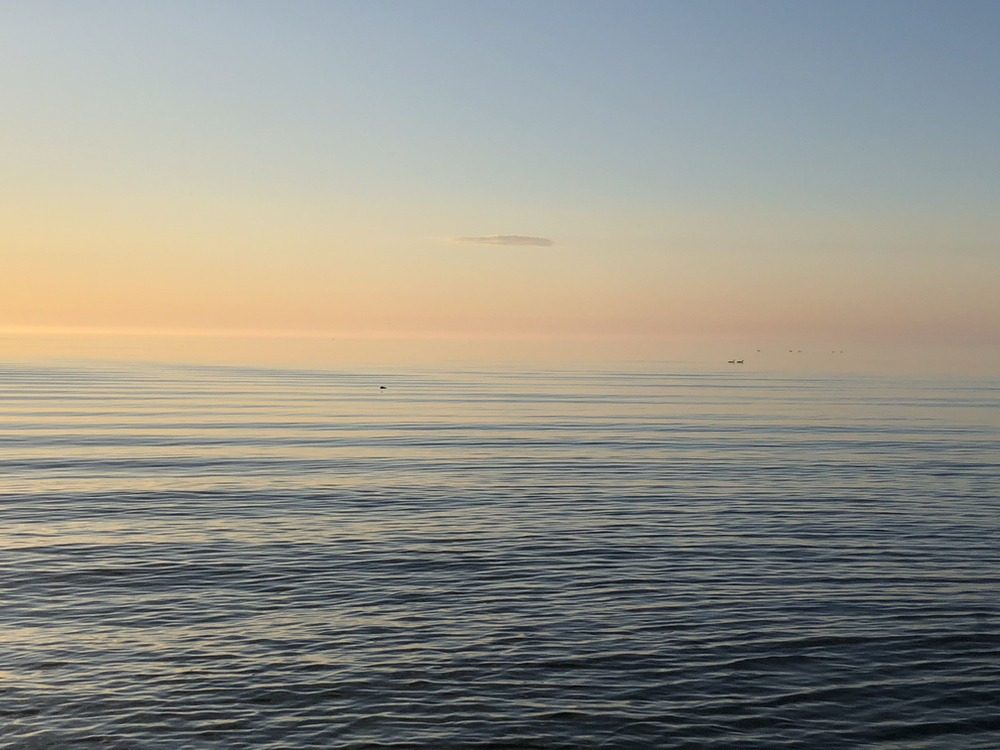
Sunrise is a nice time of day to be out, even when you miss it by, oh, 20 minutes or so:
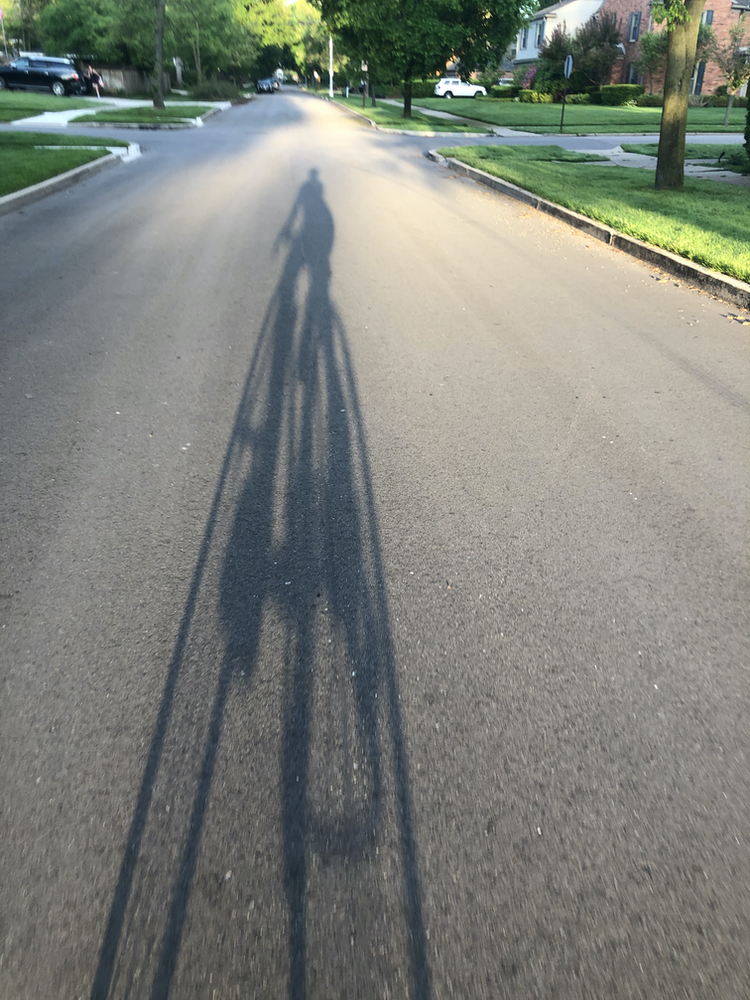
And then I headed inland. Good shadows on a day like…whatever day that was. Tuesday, I think:
In between, I passed a woman on a street corner, that goes around one of the two nearby hospitals. She was kneeling on the sidewalk, hands clasped in what looked like fervent prayer, face upturned toward the building, eyes closed. A relative or loved one inside on a ventilator? Just a generic prayer for the “health care heroes,” as the local yard signs say? Dunno. The weirdest detail: A toy-sized dog, fluffy, sat patiently behind her. (I think she was kneeling on its leash.) Looked like a papillon, very well-groomed.
I’d have taken a picture of that, but it was a private moment. Don’t be an asshole. The world has enough of them.
As I write this, the breaking news – and there’s been so much of it this week – is the president’s executive order on social media:
“We’re here today to defend free speech from one of the greatest dangers,” Trump said before signing the document.
While Trump has threatened such action for years, his signing of the order Thursday was precipitated by a decision by Twitter earlier in the week to mark two of his erroneous tweets with fact-checking labels. The small move set off a firestorm of tweets by the president threatening social media companies with regulations and other punishments.
I’m not sure why, but I started thinking about this one guy, who was included in the Bridge project on the political division of the state when I was there. He was an affluent gent in his 50s who retired early by being a lifelong cheapskate and loved the president with his whole heart. After the election, he joined Twitter. No profile, no bio, no cutesy name. He follows one, just one, account: @RealDonaldTrump. I believe at the time he said he wanted to read the president unfiltered. (Like you have to be on Twitter for that.) I wonder what Twitter is like when that’s how you’ve crafted your experience, eh?
As I recall, he was stupefied – unbelieving – that anyone could not see the Greatness that had been unleashed upon our land by Trump. And yet, sitting there reading the president, oh the things he must be learning. And now this.
November. November, November, November. It’s my birthday month. I’d gladly give up five months of my life and the whole summer and fall ahead to get this shit over with, now.
Then my editor calls and tells me he was driving downtown, just to check on our deserted office, when he saw a goose family crossing the street. Geese are unusual downtown, but the river was only a couple blocks away, and that’s probably where they were headed. Another motorist stopped, and the guy got up, rushed the flock, scooped up two goslings and put them in his shirt before getting in his car to drive away. That story wrecked me for the rest of the day. WHO DOES THAT? I’m still bothered by it.
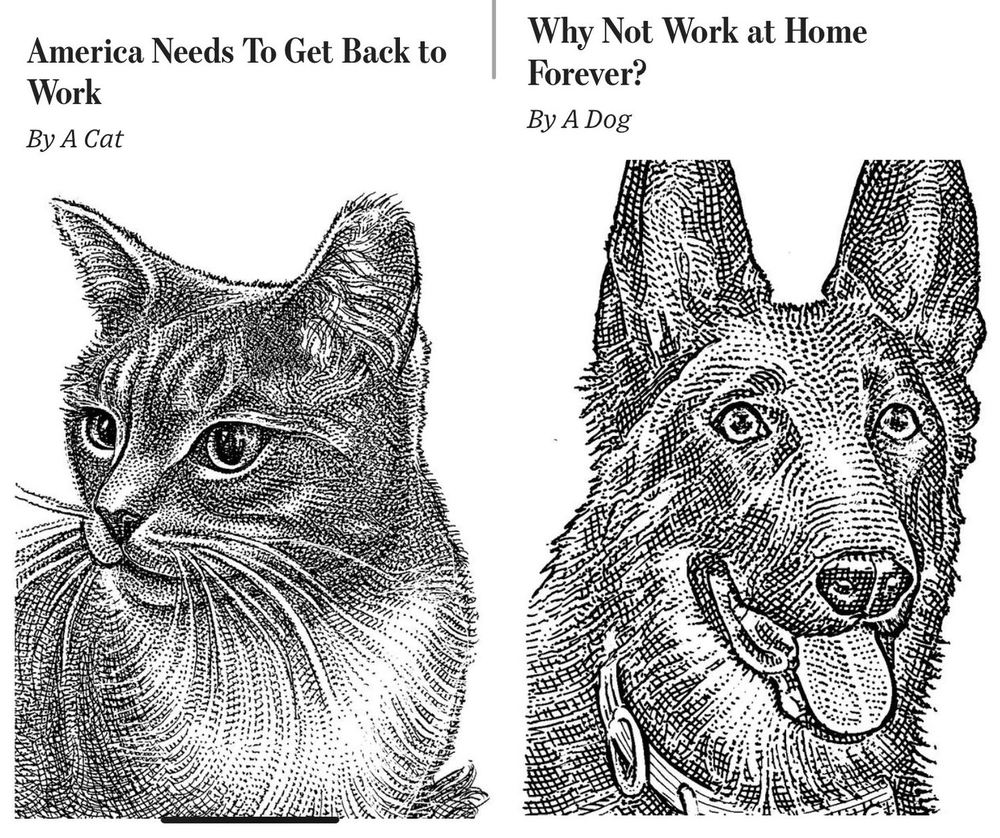
So let’s part on a more humorous note with… this. As usual, the best stuff is in the briefs at the bottom. Especially the item about Mnuchin.