I’m a city person. Nothing against the country, but I’m happiest in a densely populated crush of humanity. I don’t care if no one is speaking a language I recognize, or if the subway station is dirty. I’m an extrovert. I like people.
So even though we kinda over scheduled our three-day getaway in New York, and my feet/knees were killing me by the end, I can’t say we wasted our time. The outline:
Thursday arrival, 3 p.m. Thursday night: “Oh, Mary!,” with John Cameron Mitchell in the title role. I really wanted to like it, but it left me meh. Food: Eataly. I know it’s touristy, but it was close to our hotel and honestly, the food was great. Italian is the easiest cuisine, IMO. Buy the freshest ingredients, don’t abuse them, enjoy.
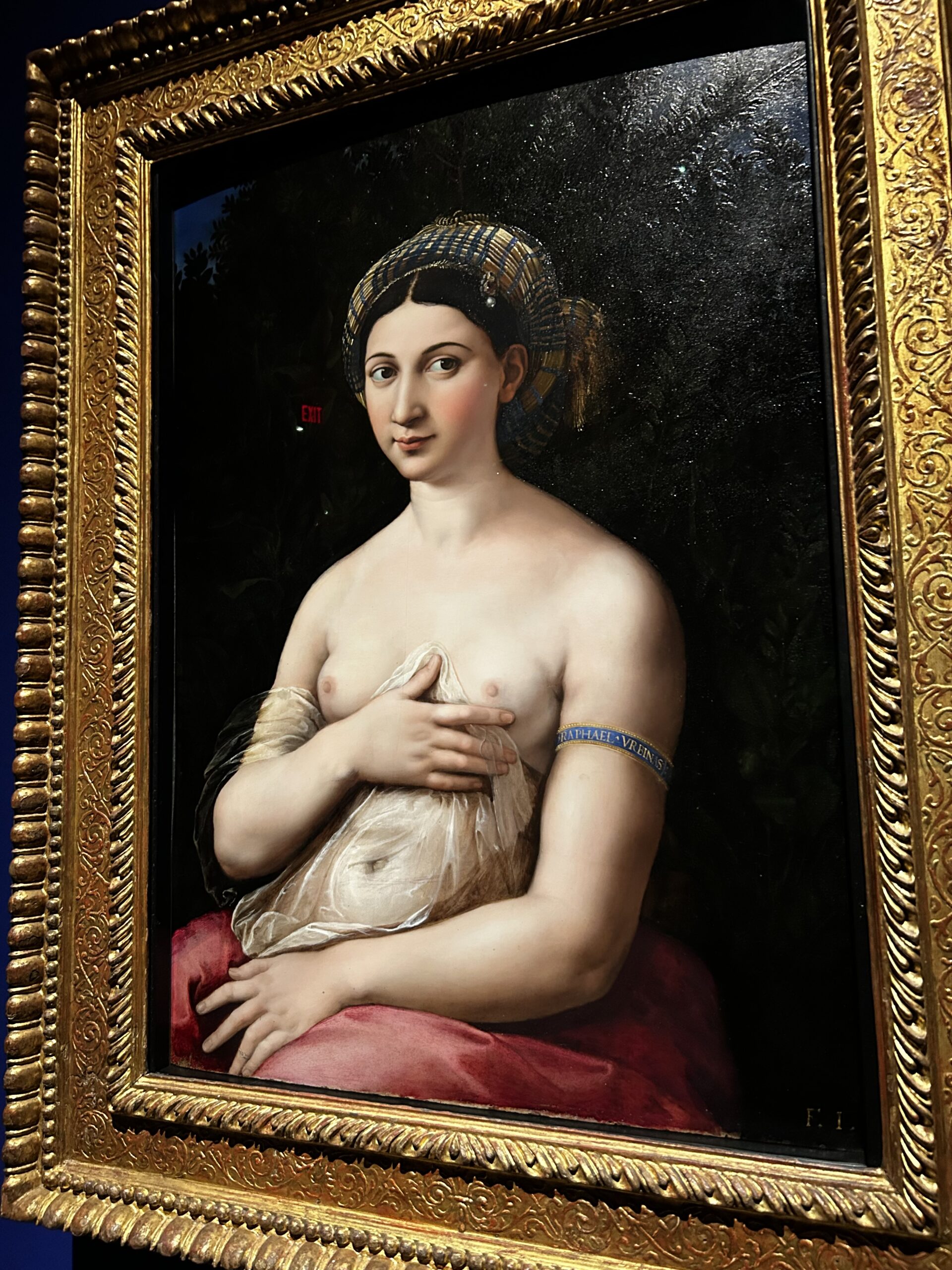
Friday: Considered the Whitney Biennial, read a review, opted for the Met’s Raphael exhibit instead. I find his skin tones enchanting. The NYT did an exegesis on this painting in their review…
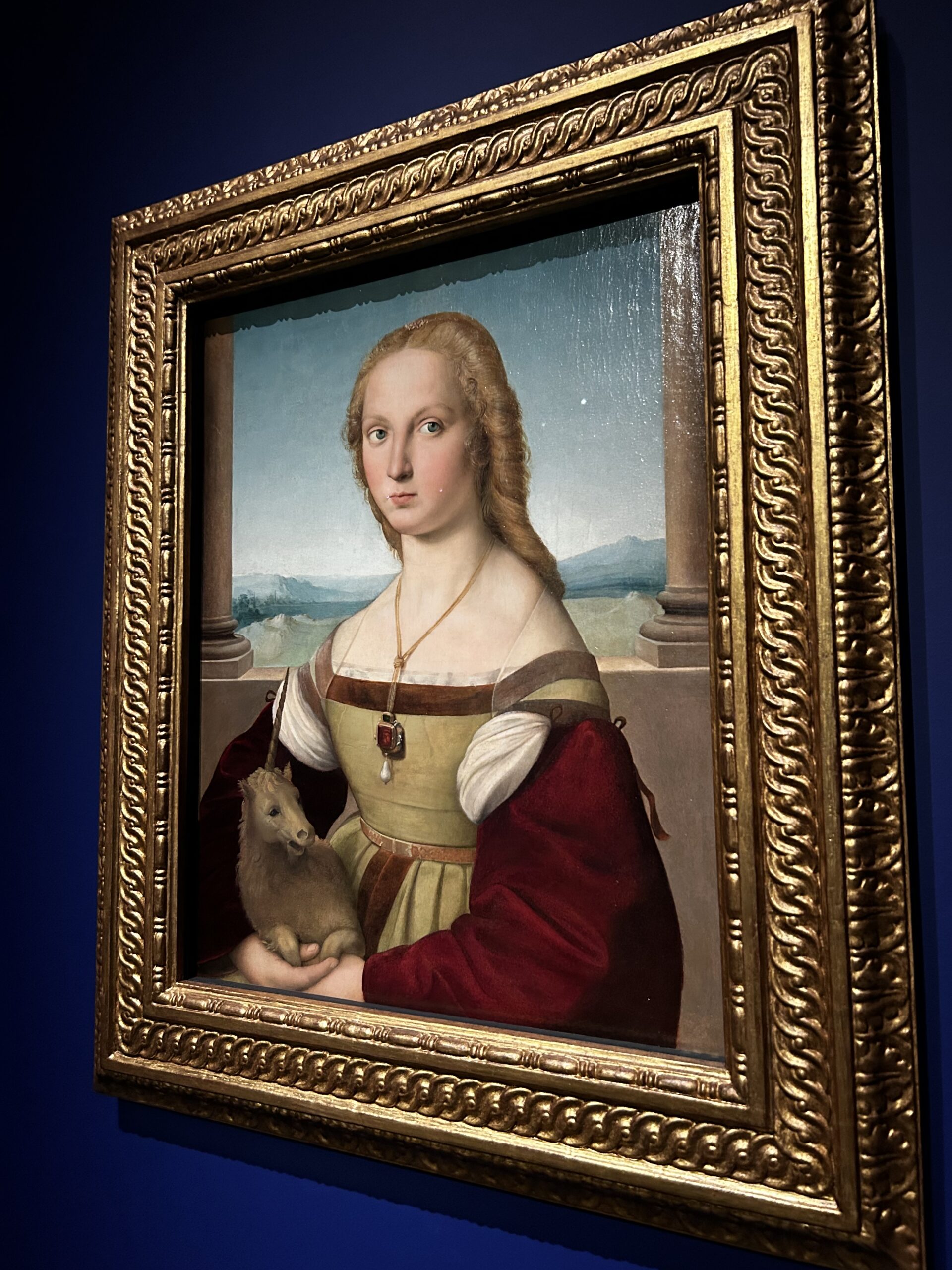
…but to cover the high points: This was probably an engagement or marriage portrait. The legend said only a virgin could tame a unicorn. The jewel around her neck bespeaks wealth, as does the richness of her garment. The blush on her cheeks — that’s just Raphael.
A word about modern museum behavior, something I first noticed in Italy, i.e. the visitor who scuttles directly in front of a painting, whips out a phone, takes one pic of the art, another of the title card, then scuttles off to the next one. Maybe they want to contemplate it at length later; maybe they’re on a scavenger hunt. Whatever the reason, they spend little time actually looking at the art. It’s all about bagging photographic evidence they were there.
These are 500-year-old paintings, and they look like they were painted last week. Truly amazing.
Then it was home to recharge before a two-banger of an evening — an early set of jazz at Zinc Bar, with Mingus Dynasty, then over a few blocks to a restaurant to catch Salty Brine, a cabaret artist we’ve seen three times now. He’s remaking one of his Living Record Collection shows, the one with Laura Nyro’s “Eli and the Thirteenth Confession,” wrapped with personal storytelling and a satire of the Nativity. This was advertised as an unplugged show, meaning it was just him and one pianist, and it was a work in progress.
Then back to the hotel. Watched Mayor Mamdani’s video on the new pied a terre tax.
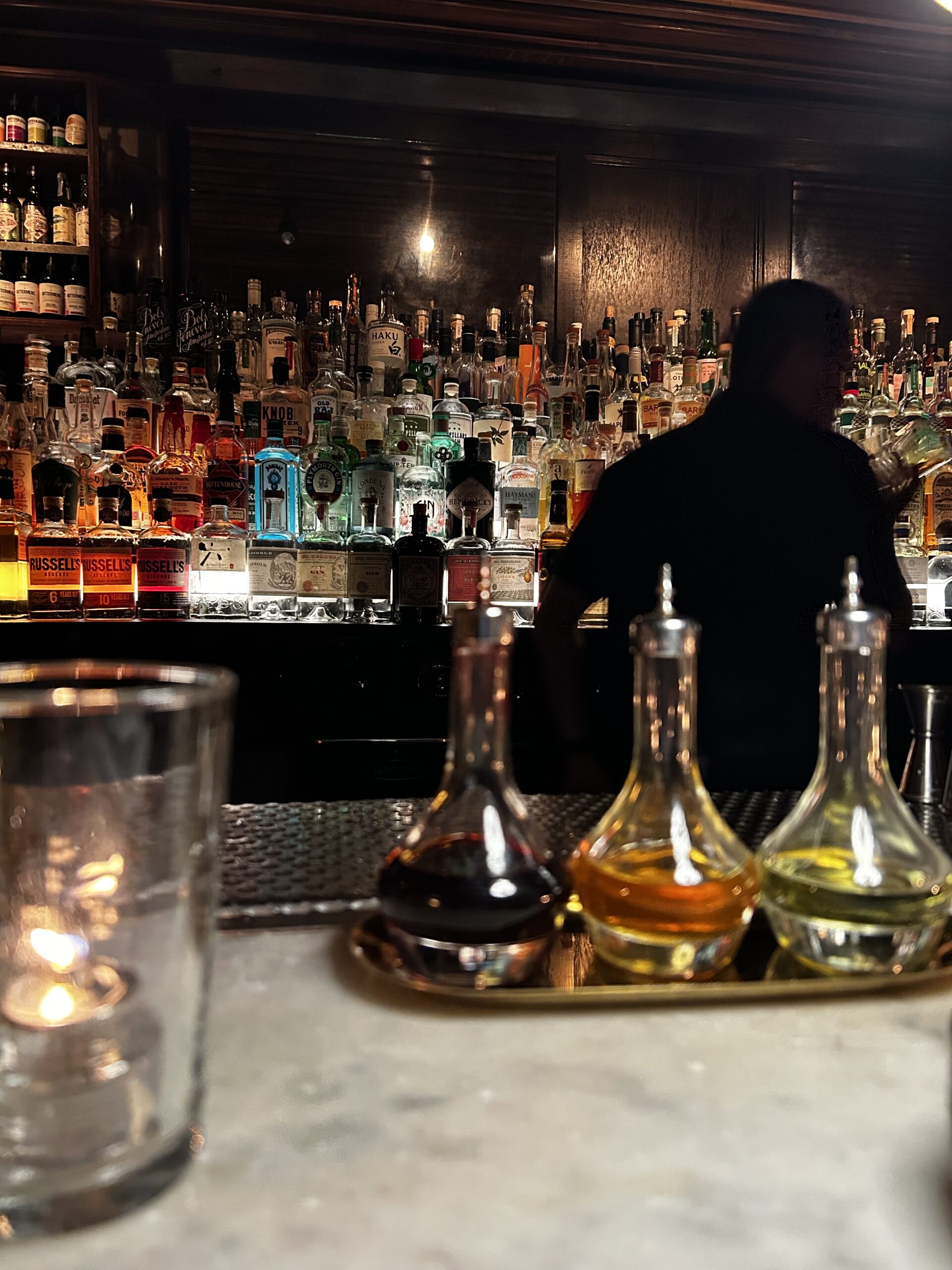
On Saturday, a little light shopping, then to Death & Co. for cocktails. A slice of NY pizza before the subway, then an early night. Sunday, home.
I was texting with a friend, a Staten Island native, and he offered the advice his dad gave him whenever he ventured outside the borough: Keep your wallet in your front pocket. Ha ha. Doesn’t really apply anymore. We rode the subway and buses all weekend with little more than our phones, tapped quickly on the touch screen. No more MetroCards, a glimpse of our cashless future (or present). I still carry some for tips, but I arrived with about $80 in my wallet, and spent $70. That ain’t much.
Didn’t take one taxi. Even the airport transit was a breeze. One bus, one train, walk one block. It was great.
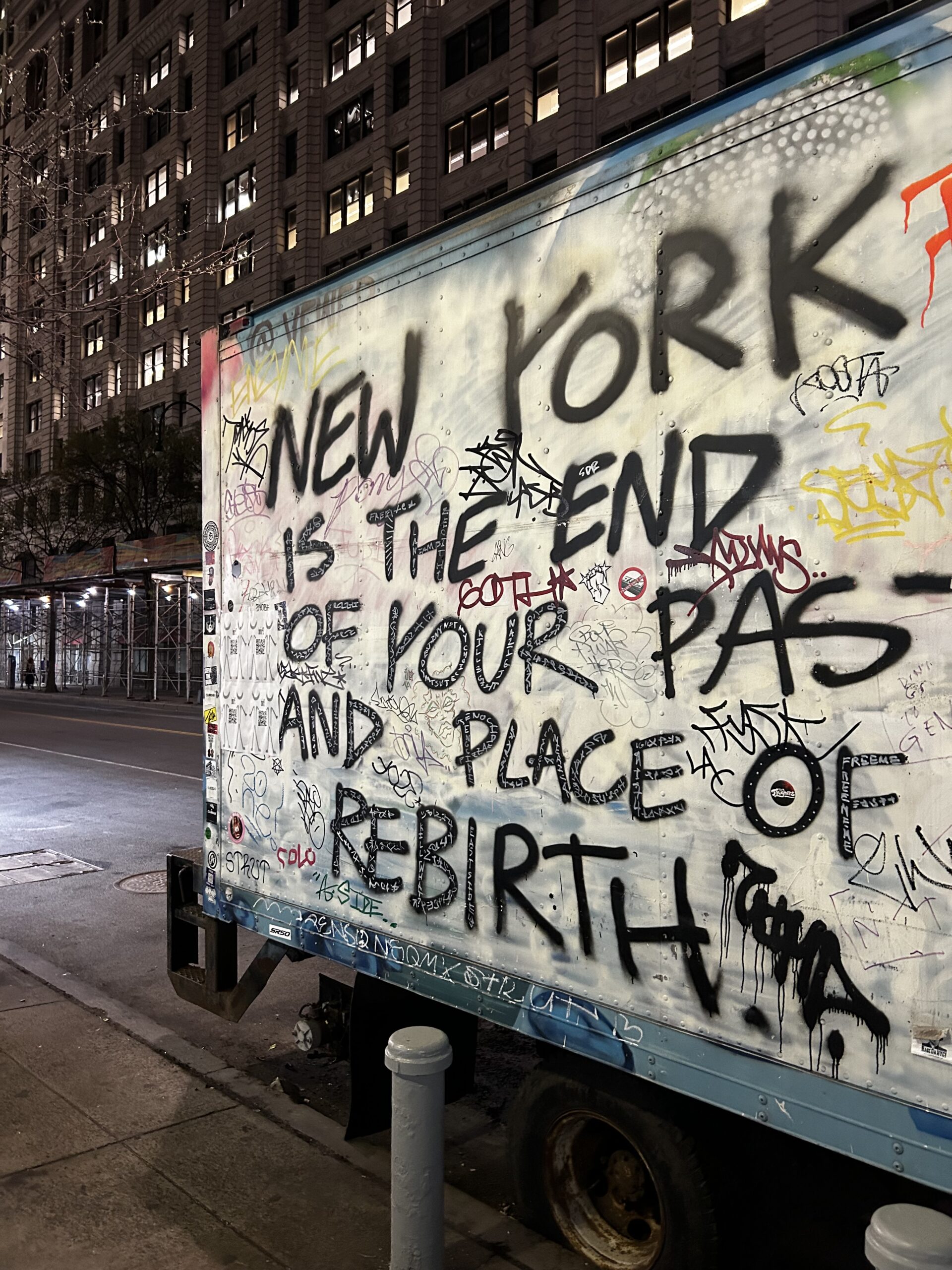
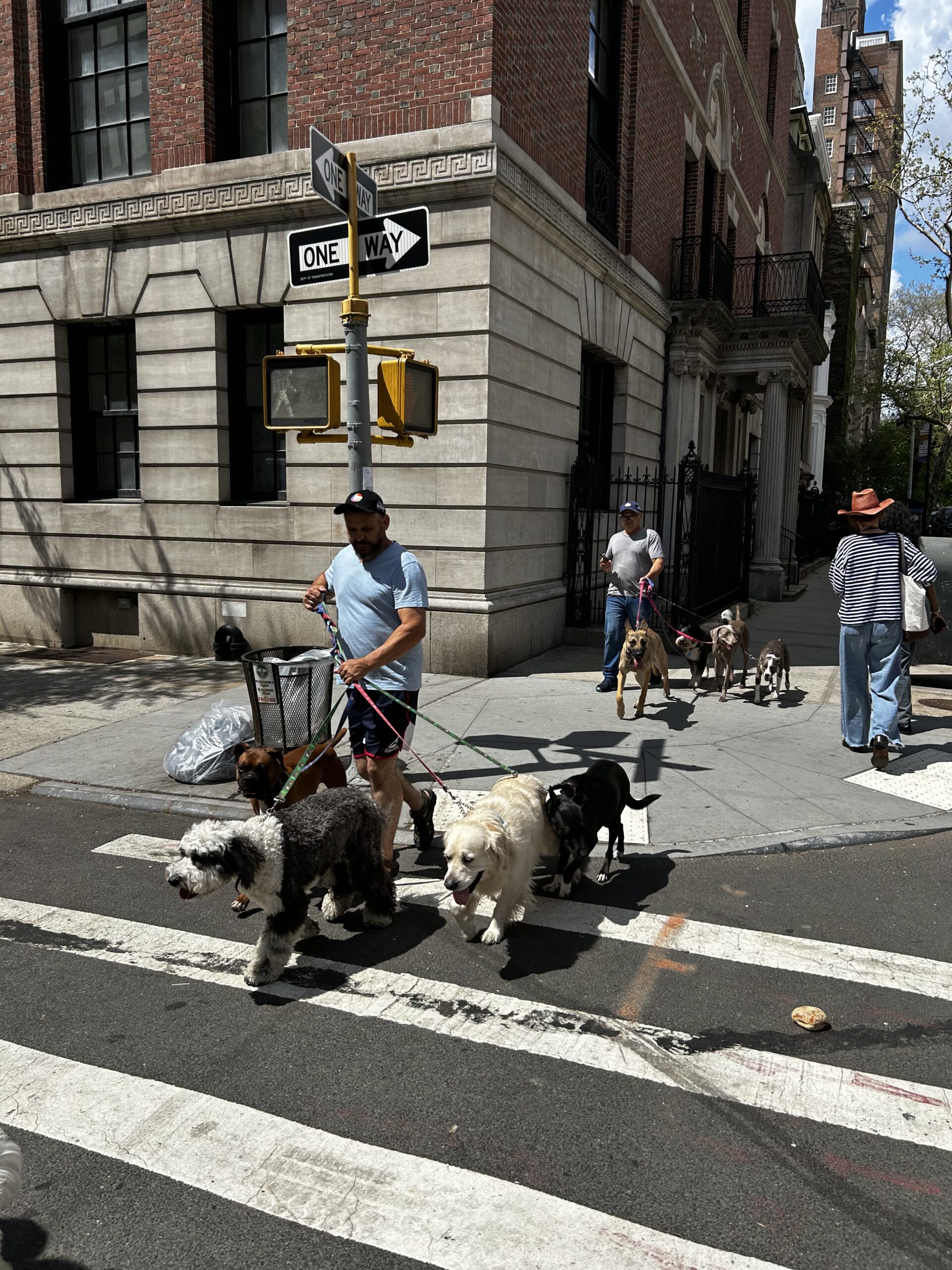
Random observations: The city looks great. Young women waiting in nightclub lines were wearing outfits that would embarrass a streetwalker. Too many tourists don’t know how to behave on a sidewalk, which is as simple as “keep moving.” Finally, I regret not moving here after college graduation, just to have my NYC era. But I did all right.
Other news at this hour: The Michigan Democratic Party had its state convention Sunday, and I gather it was wild. Lots of division over the Gaza/Israel wounds, with a strong showing by the progressive wing, who are arguing we’re tired of holding our nose and voting for moderates, let’s try it our way for a while. Haley Stevens, who was considered the frontrunner for the U.S. Senate primary, was booed and is now polling third, after a surging Abdul El-Sayed and Mallory McMorrow, who are in a dead heat. It’s going to be an interesting summer.
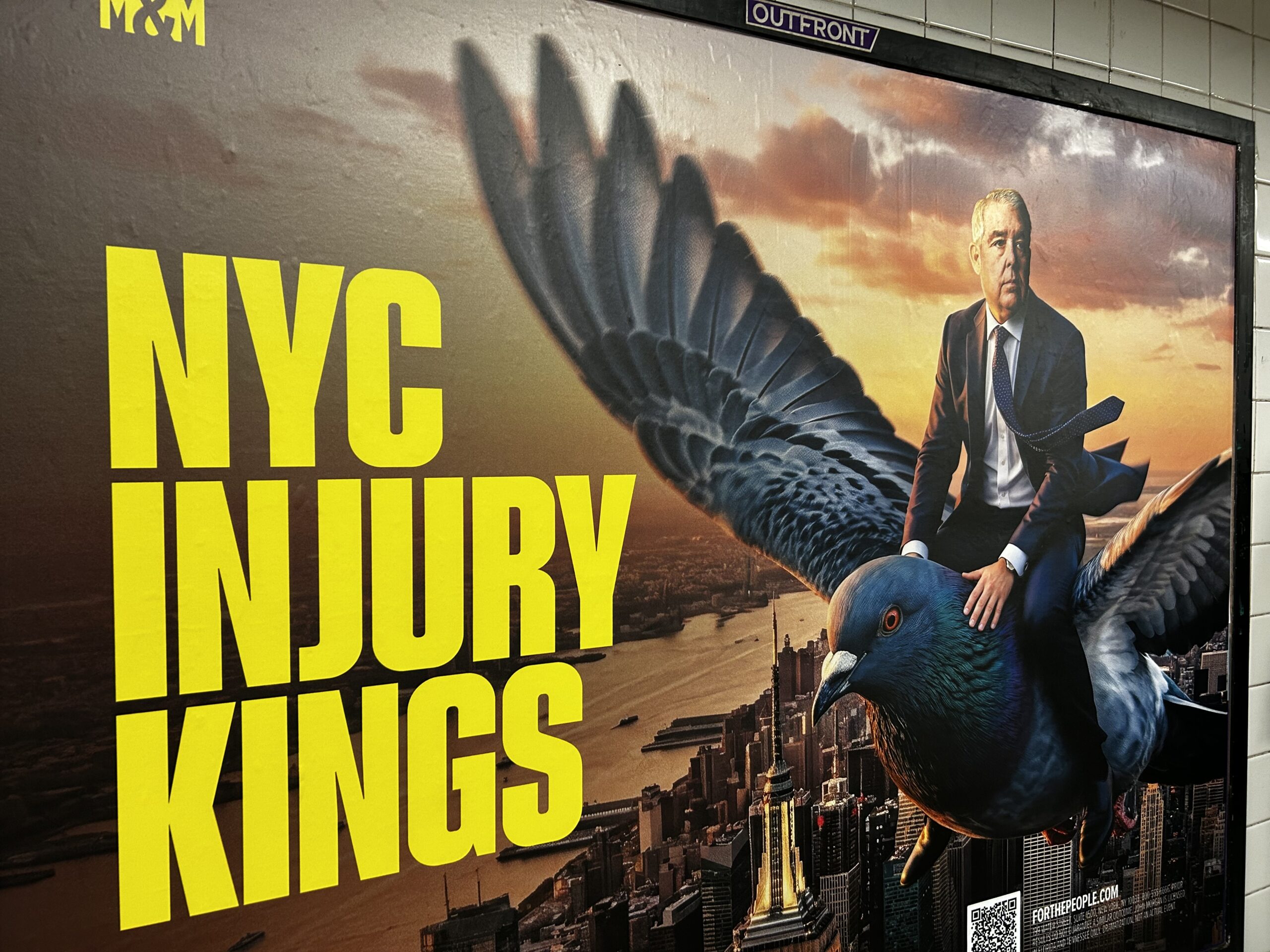
One last photo of an amusing subway billboard.
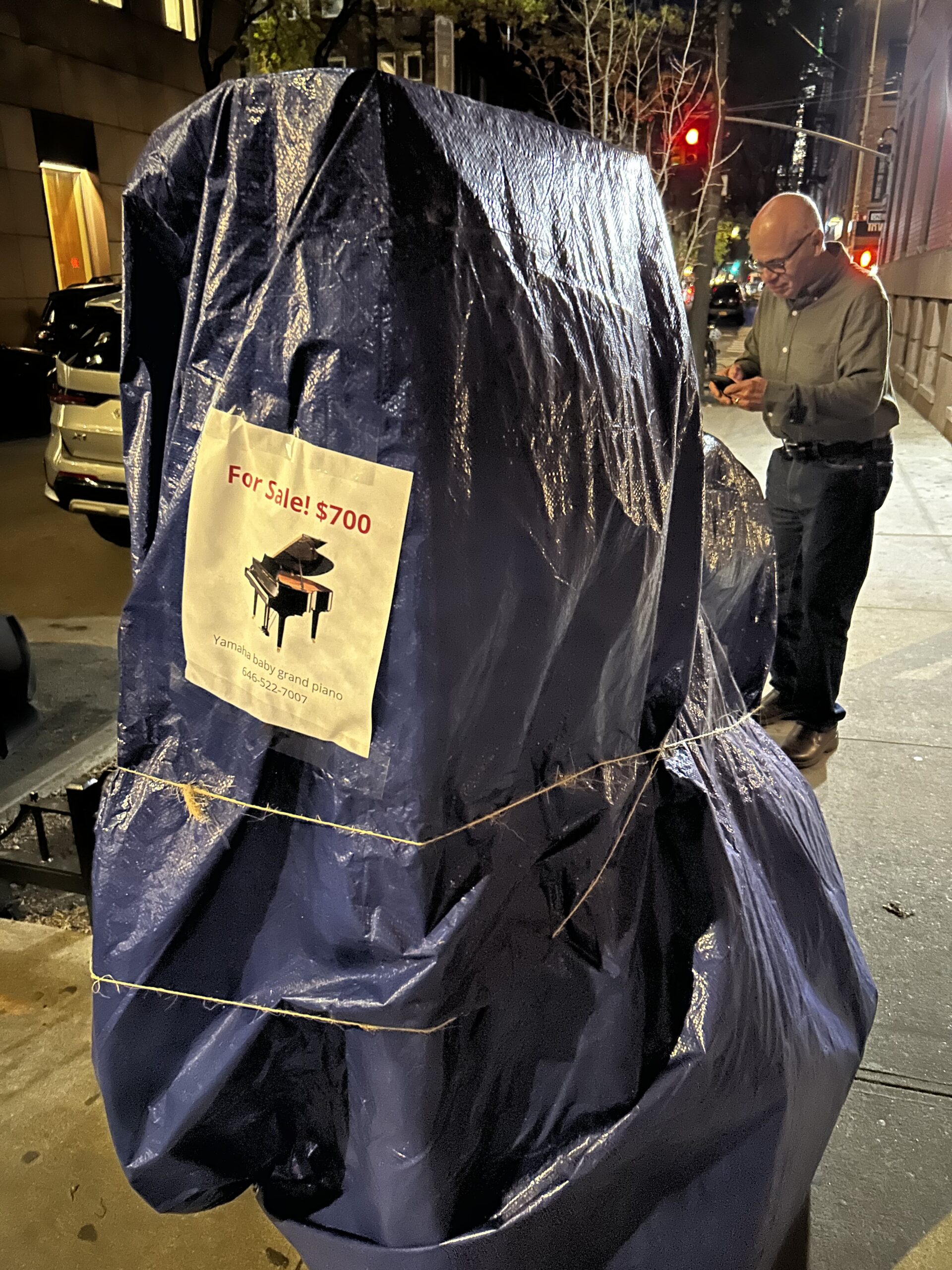
Oh, and a whole-ass baby grand piano for sale, on the sidewalk. I guess they dare you to steal it.